Why Do 73% of Plantations Still Rely on Manual Data Collection in 2026?
Manual data collection is the hidden bottleneck in modern plantation operations. While field teams continue to visit sites weekly, record readings by hand, compile spreadsheets, and submit delayed reports, a forward-thinking 27 percent has already unlocked the secret to high-efficiency yield management.
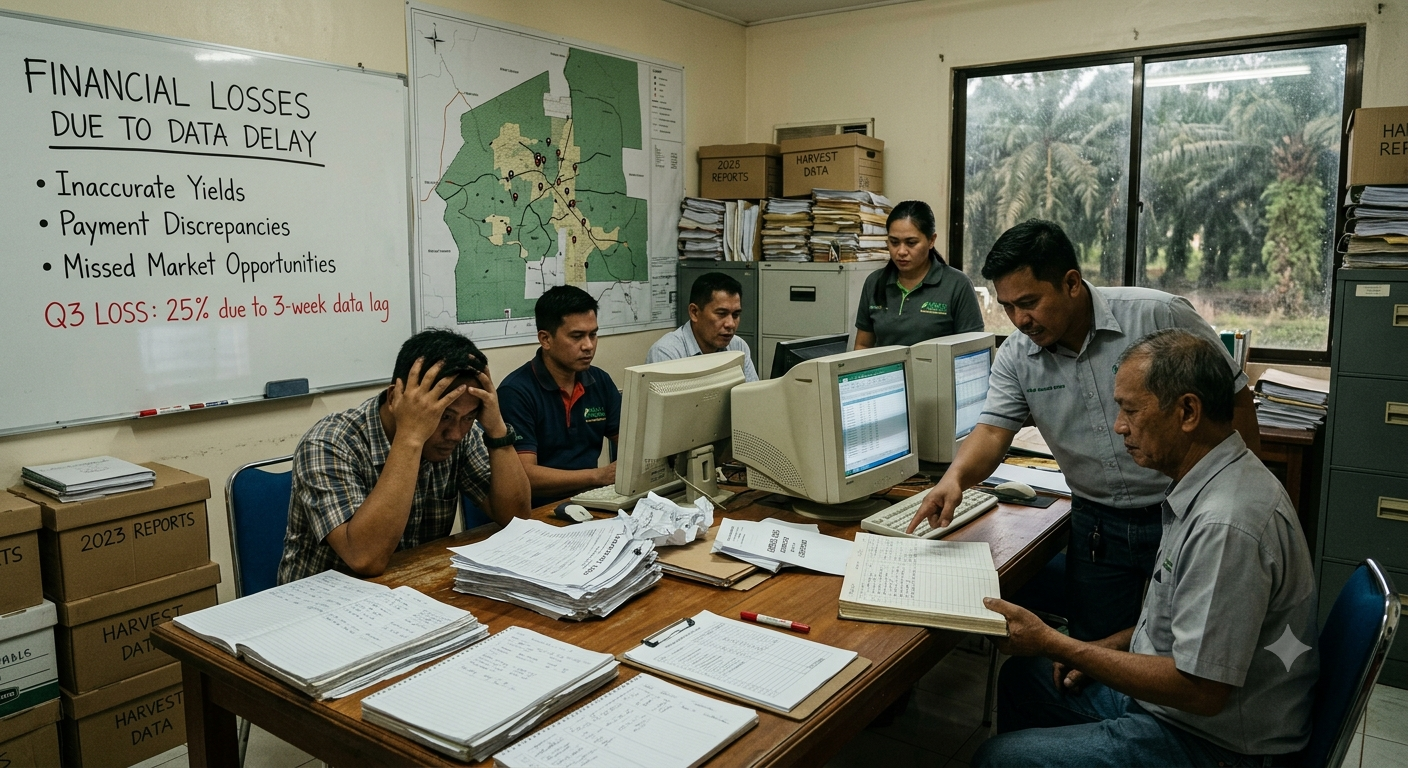
When reports reach decision-makers days after a field visit, the process isn't just slow—it's error-prone. It creates critical reporting gaps that hide operational risks until they escalate into full-blown crises.
The Cost of Delayed Plantation Data
The costs of traditional data collection methods are real, measurable, and highly damaging to the bottom line.
Preventable Flood Damage. Delayed responses to shifting water levels mean missing the window for preventative action.
Severe Pest Outbreaks. Missed early warning signs result in localized issues turning into widespread outbreaks that require heavy, expensive chemical intervention.
Compliance Penalties. Regulatory compliance gaps often only surface during official audits—when the penalty is already due.
These are not edge cases. They are the costly norm across the majority of traditional plantation operations today.
The Digital Shift: Automated IoT Monitoring
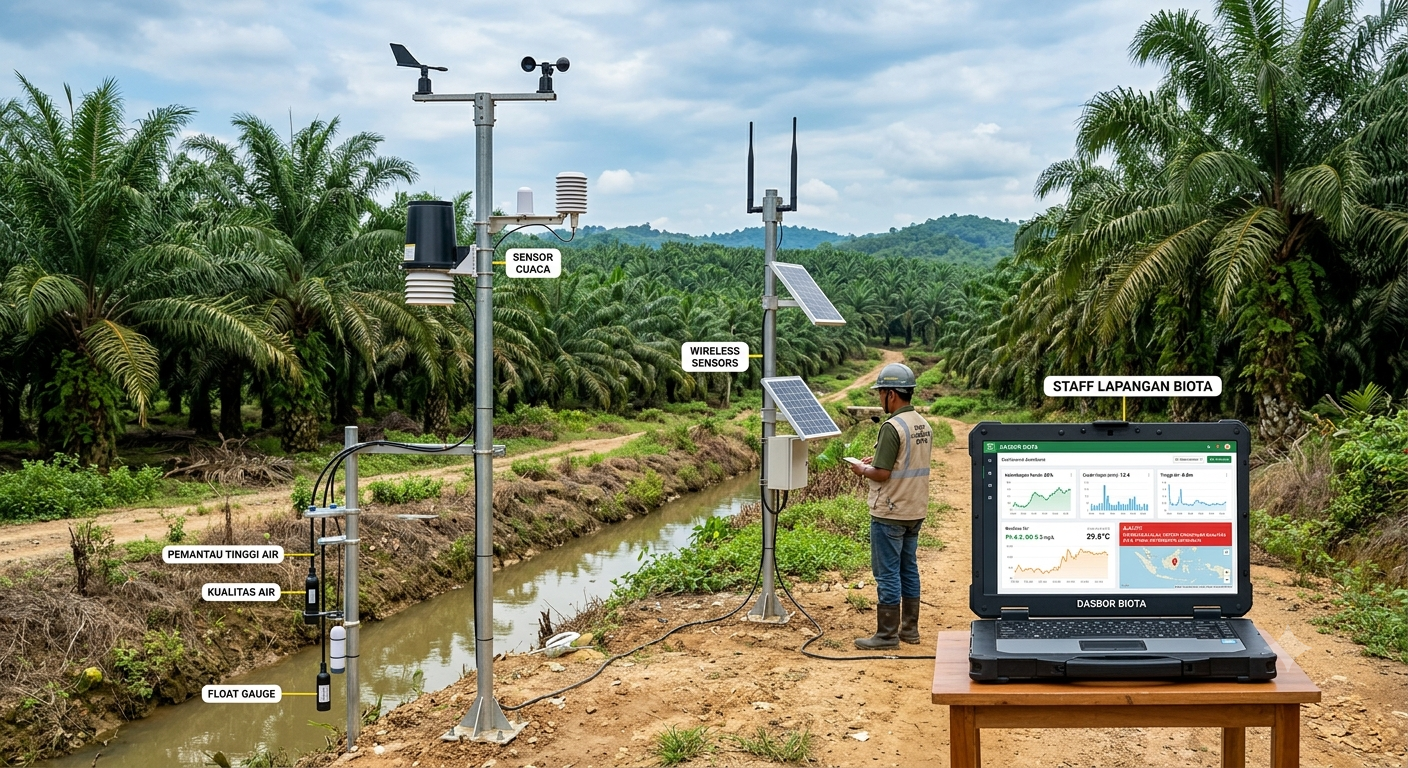
Transitioning to digital monitoring changes every dimension of the operational equation. By leveraging IoT sensors, plantations gain access to continuous, automated, and georeferenced data. This means:
No manual readings.
No transcription errors.
No data gaps.
Every hour, every sensor, and every location contributes to a living operational picture that is always current, accurate, and actionable.
The Multiplier Effect of Integrated Platforms
The true multiplier effect is what separates basic digitization from full operational transformation. When real-time sensor data feeds directly into an integrated platform like Biota, managers instantly see correlations that would remain buried in isolated spreadsheets.
For example, a sudden rainfall spike in one sector automatically correlates with a water level rise at a critical drainage point, immediately triggering a downstream compliance alert. One connected, automated decision effectively replaces three disconnected, delayed manual reports.
Measurable Results: Lower Costs, Better Yields
The data speaks for itself. Plantations utilizing integrated digital monitoring systems report a 40 percent faster anomaly detection rate. That increase in operational speed translates directly to :
Significantly reduced crop loss.
Improved environmental and regulatory compliance outcomes.
Drastically lower operational costs.
Conclusion: An Operational Necessity.
The bottom line is clear: digitizing your plantation's monitoring infrastructure is no longer just a luxury technology upgrade—it is an operational necessity. The plantations making the shift today are the ones defining the efficiency and sustainability standards for the future of the agriculture industry..